
Caring for Patients, Supporting Providers
Empathetic, compliant, and scalable healthcare support that enhances patient experiences and streamlines operations.
Patient scheduling, insurance verification and after-hours cover for US practices and groups.
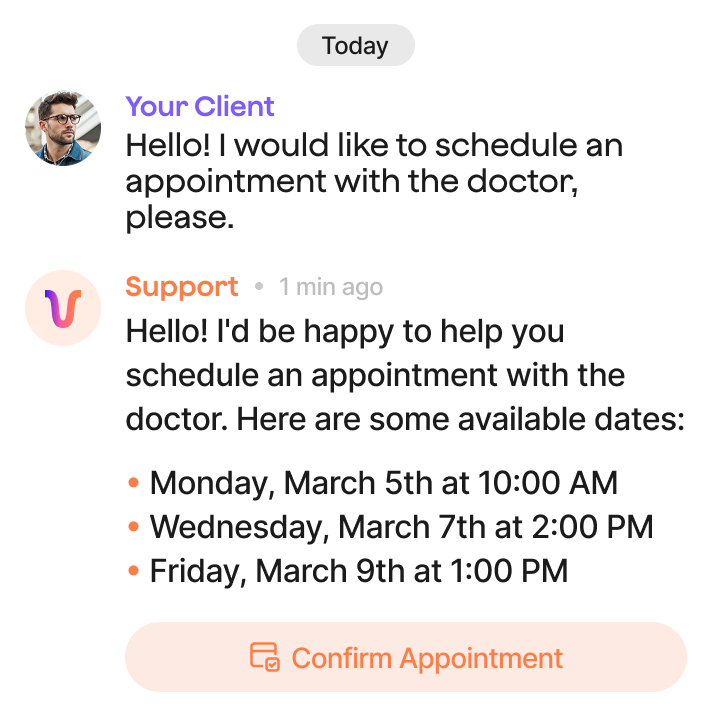
At VoiceTeam, we know that patients expect clarity and care at every step, and that providers need their administrative load reduced. Whether you’re managing appointment scheduling, insurance verification, or benefits and eligibility questions, your patients expect expert help with a human touch. Our bilingual, culturally fluent teams provide responsive, knowledgeable, and caring support that turns complex healthcare interactions into smooth, frustration-free experiences.
Healthcare call center outsourcing puts a trained team on the non-clinical side of your patient contact: appointment scheduling, insurance verification, benefits and eligibility questions, refill requests and after-hours calls. VoiceTeam runs that work for US practices and groups from its main operation in the Dominican Republic, in your practice’s name and to your rules.
For most practices the pressure lands on the front desk. The same few people check patients in, answer the phone, chase insurance and return messages, and whichever of those slips first is the one a patient notices. An outsourced team takes the phone work that does not need someone in the building: booking, rescheduling and reminder calls, questions about what a plan covers, and the calls that arrive before you open and after you close.
The work that follows a call matters as much as the call. Coverage checked before the visit, claims and billing questions answered on the day they come in, and the data entry and records work that comes out of each conversation can sit with the same operation. Our back-office operations team handles that side, so the person who booked the appointment and the person who checked the coverage are working from the same account notes.

We ensure seamless patient experiences with round-the-clock support for appointment scheduling and prescription refills, reducing wait times and improving satisfaction.

Navigating insurance can be overwhelming. Our trained agents provide fast, accurate verification and claims processing, helping patients and providers stay informed.
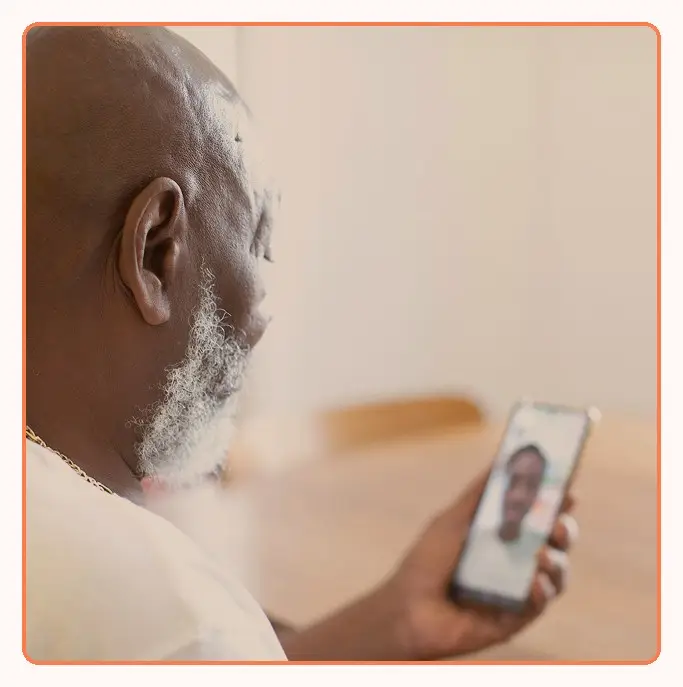
From explaining benefits to answering eligibility questions, we provide personalized support that enhances member engagement and trust in healthcare plans.

Whether managing seasonal open enrollment surges or expanding telehealth services, our flexible workforce scales seamlessly to meet patient and provider needs.
HIPAA is one of the compliance standards VoiceTeam holds, and patient health information is handled under HIPAA rules from the first minute of a call. Access is limited to the agents assigned to your account and their supervisor, and it is removed when someone comes off the account. Ask early if your compliance team needs the specifics. The same HIPAA handling covers personal injury and medical malpractice callers on our call center for law firms.
A patient calling to move an appointment will often say why. They mention the test result they are waiting for, or the medication that is not working. So health information reaches the call center on calls that were never meant to be clinical, and the handling rules have to cover every call from the start.
In practice that means agents work only in the systems you give them access to, with the permissions you set. If a patient pays a bill over the phone, card details are handled under PCI rules. The controls are audited rather than asserted, and if your practice or group runs its own vendor review, we will take you through them before launch.
A patient who is more comfortable in Spanish will explain a symptom, a coverage problem or a billing question most clearly in Spanish. Bilingual patient support lets them do that with the agent who answered, with no transfer or callback. Spanish is a first language for VoiceTeam’s Dominican team.
If your front desk has one bilingual person, every Spanish-language call waits for them, and so does everything else they were doing. Bilingual support takes that queue away. The patient speaks to one person in their own language, the appointment gets booked or the coverage question gets answered on that call, and the note reaches your team in English whichever language the call was in.
The Dominican Republic is a nearshore location, so the team’s working day lines up with US business hours and the hours your patients call. The same agents are trained in medical terminology and patient communication, which means a patient does not have to switch language, or explain the same thing twice, to get a scheduling or insurance question resolved.

Our bilingual agents are trained in medical terminology and patient communication, ensuring accurate, empathetic interactions.

VoiceTeam holds SOC 2 Type 2, HIPAA, PCI DSS and COPC standards, so patient records are handled under the same rules your own systems are held to.

We combine automation with compassionate engagement, reducing administrative burdens while maintaining a personal connection.

From EHRs to telehealth platforms, we integrate smoothly with existing workflows, providing uninterrupted, high-quality support.
Telehealth support covers the practical side of a virtual visit: booking it, sending or resending the visit link, helping a patient get connected before the appointment starts, and rebooking when the connection fails. Agents handle access and scheduling. Anything about the patient’s condition goes to your clinical team.
A virtual visit moves a problem the waiting room used to absorb onto the phone. A patient who cannot get the video to work two minutes before a visit needs someone to answer then, and a clinician waiting on a patient who never connects is time the schedule does not get back. Someone has to pick up that call quickly and either get the patient in or rebook them.
Agents work in the scheduling and telehealth platforms you already use, inside your existing workflow. Demand for virtual visits also moves with the season. When volume rises, during open enrollment or when you add telehealth services, the team scales to match, so your own staff are not left to absorb it.
Care navigation means helping a patient or plan member find the right next step: the right location or department, what their plan covers, what a visit requires, and who to speak to about a bill. VoiceTeam agents handle that non-clinical navigation for practices, groups and health plans, and route any clinical question to your staff.
Member support is the same work for a health plan. Members call to ask what is covered, whether they are eligible, and why a claim came back the way it did. Those answers come from your plan rules, so agents work from the rules you give them. When something needs a judgment your team makes, the agent records it and passes it on.
Provider support runs the other direction, on behalf of the practice. Other offices call to check on a referral, request records or confirm eligibility, and each of those takes front-desk time that is not spent on patients in the building. Much of this now arrives as portal messages and email, and our chat and email support team can work those queues to the same rules.
No. Our agents schedule, verify coverage, explain processes and take messages. They do not give medical advice, assess symptoms, or answer questions about medication or treatment. When a patient raises a clinical question, the agent records it in the patient’s own words and routes it to your clinical team under your protocol.
The escalation rules come from your practice. Your clinical team decides which phrases mean a warm transfer to your nurse line or on-call clinician, which mean the patient is told to call 911, and which can wait for a callback. Agents follow those rules as written. They do not decide on their own what counts as urgent.
Refill requests follow the same line. The agent takes the request, confirms the patient’s details and the pharmacy, and sends it to your team. Agents do not approve, change or advise on medication. What reaches your clinicians is then an accurate record of what the patient said, and nothing has been said to a patient that your practice later has to correct.
It can be, if you start with the piece that is most clearly broken. For many practices that is after-hours calls or scheduling overflow at peak times. You do not need to buy round-the-clock cover or a full dedicated team to find out whether it works, and adding hours later is a change to the same team.
Yes, including nights, weekends and holidays, in your local time. Our teams in the Dominican Republic cover North American business hours, and our staff in the Philippines, through a partnership there, cover evenings and weekends.
Yes. Agents check eligibility and coverage before a visit, answer benefits and claims questions from the rules you give them, and handle phone payments under PCI rules. Anything that needs a decision from your billing team is recorded and passed to them.
Agents work in the EHR, practice management and telehealth platforms your practice already uses, with the access and permissions you set, so your staff see the same records and nothing has to be copied between systems.
It depends on the hours you need covered, how specialized the work is, and how predictable your volume is. The number worth working out first is your current cost per contact, including hiring, retraining and the calls that go unanswered. Our cost of ownership calculator walks through it.
Most of the time goes on building the call scripts with your team, training agents on your scheduling rules and escalation protocol, and testing against the calls you describe. We give you a realistic date once we have seen your requirements.
Yes. Agents on healthcare accounts are trained in medical terminology and patient communication, so they can follow what a patient is describing and record it accurately. That training supports scheduling, coverage and messages. It does not extend to clinical advice.
 Say
Say 
